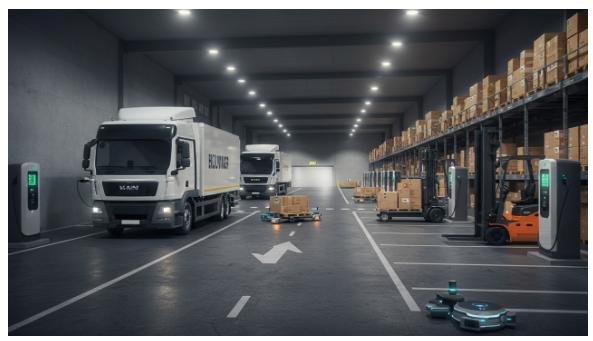
Autonomous & Electric Vehicles: Reshaping the Future of Logistics
Autonomous vehicles (AVs) are no longer science fiction—they are a reality that is transforming logistics and supply chain management. These vehicles, powered by AI, machine learning, and advanced sensors, can navigate, sense, and operate without human drivers, making logistics operations faster, safer, and more efficient.
🌍 Why It Matters for Supply Chains
- Operational & Financial Efficiency
- AVs reduce reliance on human drivers, cutting labor costs.
- They run 24/7 without fatigue, minimizing delays.
- Advanced route optimization lowers fuel usage and operational costs.
- Environmental Sustainability
- Optimized driving patterns reduce fuel consumption and carbon emissions.
- Integration with electric vehicles supports green logistics goals.
- Safety & Risk Reduction
- Human error causes most trucking accidents.
- AVs are designed with collision-avoidance systems and real-time road monitoring.
- Result: fewer accidents, safer deliveries, and lower insurance risks.
- Faster Deliveries & Customer Satisfaction
- Last-mile delivery robots, drones, and self-driving vans shorten delivery times.
- Customers receive faster, more reliable service—a major competitive advantage.
- Early Adoption = Competitive Advantage
- Companies using AVs now are gaining market leadership, efficiency, and sustainability recognition.
- Customers increasingly prefer eco-friendly and innovative brands.
📦 Case Studies Driving Change
- Amazon Fulfillment Centers: Dozens of AVs handle picking and packing, reducing errors and speeding order processing.
- Otto & Tesla Trucks: Otto’s autonomous truck drove 120 miles to deliver beer in Colorado—a milestone in freight transport.
- Starship Technologies: Small delivery robots navigate sidewalks, offering low-cost, fast, last-mile delivery solutions.
🚀 The Road Ahead for Logistics
Electric and autonomous vehicles bring:
✔ Lower costs
✔ Improved speed
✔ Reduced carbon footprint
✔ Enhanced customer satisfaction
Challenges remain—such as regulations, infrastructure, and public acceptance—but early adopters will shape the next generation of logistics and supply chain management.


👉 Question for Engagement:
Do you believe autonomous trucks and drones will dominate supply chain logistics in the next 10 years?